Help support the growth of Arboretum and its programs and ability to serve the public! Apply to be an Assistant Director of Development on behalf of the Arboretum and Public Garden
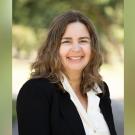
Carmia S. Feldman, Ph.D., has been selected as director of the UC Davis Arboretum and Public Garden, after more than two decades of transformative leadership that helped the organization earn national recognition for innovation in public engagement, student leadership, and sustainable land management.
After more than a quarter century of visionary leadership at UC Davis, Kathleen Socolofsky, assistant vice chancellor and director of the UC Davis Arboretum and Public Garden, is retiring—leaving behind not only a transformed campus landscape, but a reimagined way of thinking about the role gardens and landscapes can play in academic life, student development, and community connection.
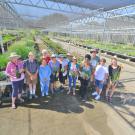
Join the UC Davis Arboretum and Public Garden as the Assistant Nursery Manager, where you'll help lead plant propagation, student mentorship, public engagement and more.
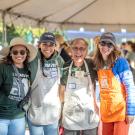
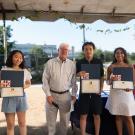
Four Learning by Leading™ students were awarded the Pinkerton Prize for Outstanding Student Contributions for going above and beyond in their roles as interns to support the Arboretum and Public Garden.
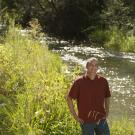
As Andrew Fulks retires from UC Davis after 23 years, his influence can be seen across the campus landscape—from the grasslands of Russell Ranch to the restoration of Putah Creek Riparian Reserve and the revitalized Arboretum Waterway. Fulks didn’t just care for these places—he helped redefine what they could be, and how people could work together to make them thrive.
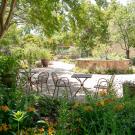
The Arboretum Terrace Garden and Lois Crowe Patio, nestled on the east side of the Davis Commons Shopping Center. reopens to the public on Thursday, May 29, 2025 — just in time to celebrate its 25th anniversary as a vibrant, Mediterranean-inspired gathering space.
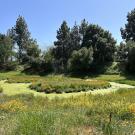
If you’ve visited the UC Davis Arboretum recently, you might have noticed an algae bloom at the west end of the newly renovated Waterway. While algae can sometimes seem like a sign that something is wrong, Arboretum and Public Garden staff want visitors to know: this is actually a normal—and expected—part of a healthy wetland’s development.
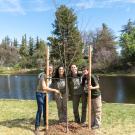
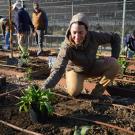
Thanks to generous donations, dedicated volunteers, and passionate student leaders, we have made remarkable strides in planting new trees, enhancing campus landscapes, and creating opportunities for hands-on learning.
Emily Meineke, assistant professor with the Department of Entomology and Nematology, and her team created the Climate Adaptation Living Lab, or CALL Garden, to study which plants can withstand changes in climate while continuing to support insects.
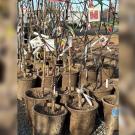
This spring the Friends of the UC Davis Arboretum and Public Garden are offering fruit trees at their seasonal plant sale fundraiser. Inventory was chosen with Central Valley home gardeners in mind, meaning they’re productive, well-suited to our climate, and ready to flourish in your backyard!
Updated 2/7/2025: Apply by date updated to March 7
Help keep the UC Davis campus, safe, beautiful and sustainable by joining our Grounds team! Apply to be a Grounds Supervisor at UC Davis, where every career employee receives extremely competitive health and retirement benefits including:
The Arboretum and Public Garden is one of ten campus collections participating in UC Davis Biodiversity Museum Day. This year, we invite you to experience the best of both worlds: spend your morning exploring the fascinating indoor museums, then head outdoors in the afternoon to enjoy the Arboretum and Public Garden’s vibrant, nature-filled exhibits.