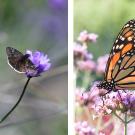
At University of California, Davis, pollinator conservation has moved from side-project to campus mission. The new annual report for the Bee Campus USA initiative underscores just how deeply the campus is investing in our pollinator allies.
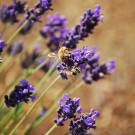
From daisies and lavender to sunflowers and orange blossoms, flower gardens not only result in beautiful table centerpieces, bragging rights and a joyful hobby. They can also be hugely beneficial to local pollinators and, by close extension, food security and biodiversity.
This fall, as part of our affiliation with Bee Campus USA, the UC Davis Arboretum and Public Garden is encouraging residents to “leave the leaves”, a seasonal effort to provide habitat for beneficial insects, pollinators, and other invertebrates.
We are fortunate to live in California, with its wondrous diversity of flora and large natural areas that are not only places of beauty but also sources of spiritual and emotional refreshment.
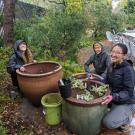
The Arboretum and Public Garden’s Leading by Learning™ Habitat Horticulture team is exhibiting their newly designed pollinator-friendly containers at the Arboretum Terrace Garden and Lois Crowe Patio in the Davis Commons.
Don’t have the space to create a pollinator-friendly garden? Or maybe you’d just like to add some container plantings to your patio or landscape.
We've assembled four “recipes” for making this DIY project a breeze. All of the plants you find here are currently in our fall plant sale inventory. If one has sold out, we can help you find an appropriate replacement. Just ask one of our experts in the orange aprons.
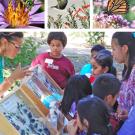
What’s all the buzz about pollinators? Find out Sunday, May 20 from 1–4 p.m. at “Pollinator Discovery Day” in the UC Davis Arboretum’s Hummingbird GATEway Garden (located just north of the Arboretum Teaching Nursery on Garrod Drive). Attendees at this free event will learn about a variety of pollinators including bees, butterflies, and hummingbirds, how the UC Davis Arboretum and Public Garden supports their habitat needs throughout its campus landscapes and how everyone can to do the same at home.
UC Davis second-year veterinary medicine student Shakuntala (Shak) Makhijani has always loved nature and animals, but only recently has she started producing breathtaking photos of hummingbirds in their natural habitat at the UC Davis Hummingbird GATEway Garden.
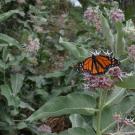
When creating gardens to attract butterflies, expand your palette beyond plants that only provide nectar for mature butterflies. There’s another type of plant, called larval host plants, that any well-rounded butterfly garden needs.