Habitat Horticulture

LxL Habitat Horticulture

These posts give an overview of the types of projects students in the Arboretum and Public Garden's Learning by Leading™ Habitat Horticulture program lead.


 

Pollinator Plant List: Hummingbirds

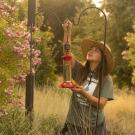
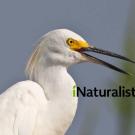
Did you know hummingbirds move much faster and over considerably larger areas than insect pollinators do? With their fast wings, compact size and slender bills, it's no wonder that these tiny birds play such an important role in our environment. Unfortunately, due to climate change, habitat loss and a variety of other human-caused influences, researchers consider nearly 15% of hummingbird species vulnerable to extinction. 

California Native Wildflower Seeds

The Friends of the UC Davis Arboretum and Public Garden is piloting the sale of native wildflower seeds at its upcoming plant sales. Most of the wildflower seeds selected for sale to the public were chosen based on research done by the UC Davis Pollination Ecology lab led by  Dr. Neal Williams which found that these species attract local pollinators that will continually revisit! 

Bee Campus USA

UC Davis is the first University of California campus to be certified as an affiliate of the Bee Campus USA program.

Designed to marshal the strengths of educational campuses for the benefit of pollinators, UC Davis joins more than one-hundred-fifty other cities and campuses across the country united in improving their landscapes for pollinators.

Flower Flies: Beneficial Bee Mimics

Also referred to as hoverflies, flower flies are one of the lesser-known beneficial insects in the garden. Adult flower flies feed on nectar and pollen and are important pollinators just like their mimicked bee counterparts.

Habitat Horticulture

Habitat Horticulture

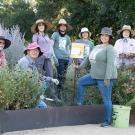
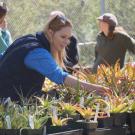
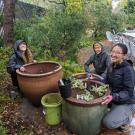
This team engages students in hands-on learning and community outreach as we transform our landscapes into urban habitat. We focus on climate-ready landscapes that support biodiversity, with an emphasis on plant-wildlife interactions. This team’s work is centered in the habitat gardens of the Environmental GATEway, located at the west end of the Arboretum and Public Garden.